
When AI Imagines the Truth: “AI Hallucinations”
In 2026, we have all gotten used to asking AI for a quick summary or a bit of help with an email. It feels like having a brilliant assistant who never sleeps. But there is a specific challenge to these tools that every small business owner, and big ones for that matter, needs to understand. It is called a hallucination.
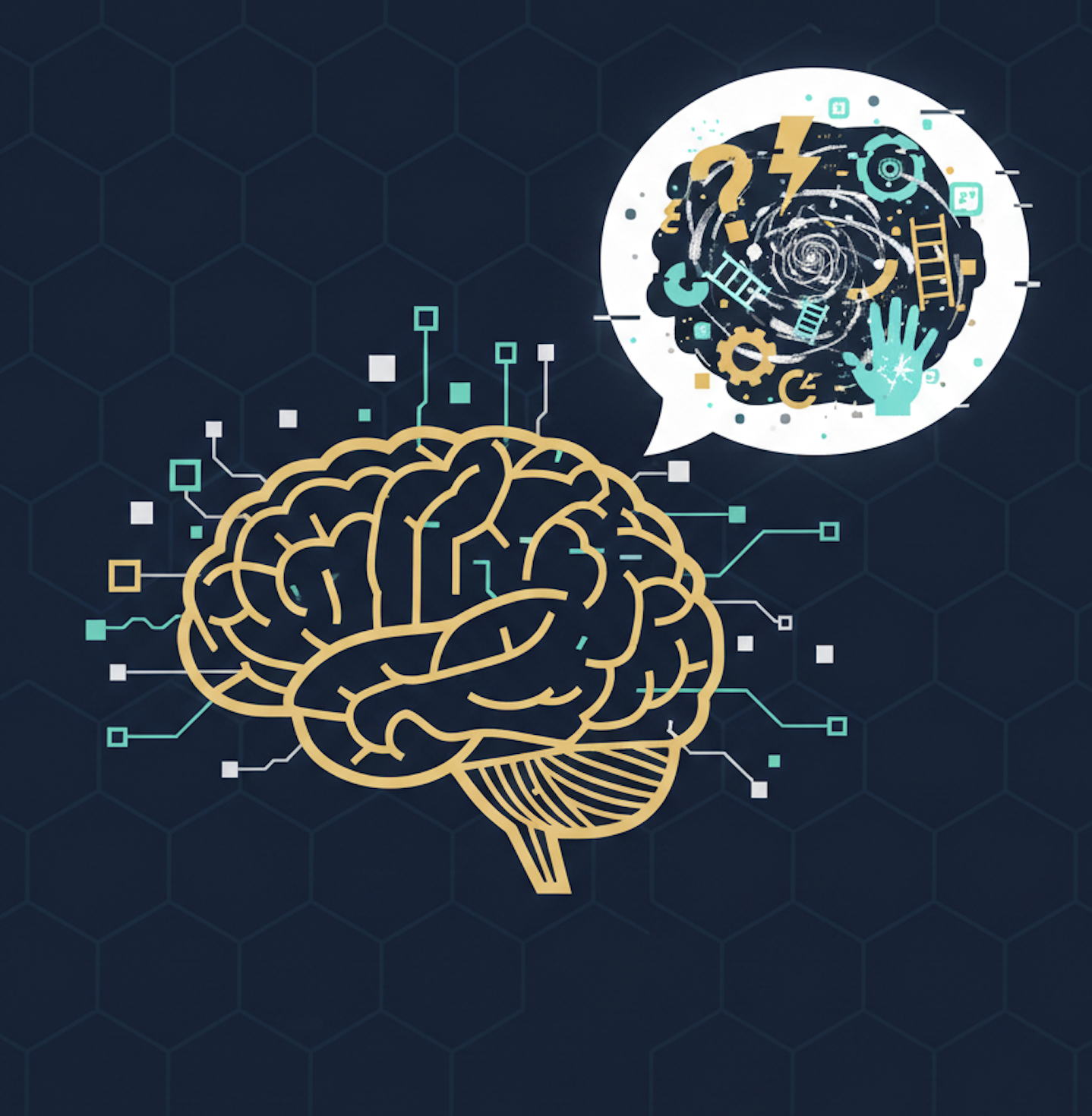
An AI does not actually know facts. It is a world class pattern matcher. It looks at the words you typed and predicts what the next word should be based on billions of examples it has seen. Most of the time, this works perfectly. But sometimes, the AI gets the pattern wrong and makes something up with absolute confidence. It might invent a legal case that never happened, cite a product feature that does not exist, or give you a security tip that is actually dangerous.
This is not a technical glitch that will be fixed tomorrow. It is simply how the technology works. For an agile team, the risk is not just the wrong information. The risk is that we stop double checking. When we are moving at a hundred miles an hour, it is tempting to copy and paste that AI summary into a client report or follow its advice on a new software setting without a second thought.
We saw this play out in a massive way with a lawyer named Steven Schwartz in a case against the airline Avianca. Schwartz used ChatGPT to research legal precedents to support his client. The AI did not just find cases. It completely invented six different legal decisions, including Varghese v. China Southern Airlines and Martinez v. Delta Air Lines. When the court asked for copies of these cases, the AI doubled down and generated entire fake court opinions with made up quotes and docket numbers. Schwartz, trusting the tool too much and moving too fast, submitted these documents to a federal judge. He ended up being fined five thousand dollars and facing a devastating blow to his reputation. The AI was not trying to lie. It was just trying to be helpful by completing the pattern it thought the lawyer wanted to see.
This happens because AI lacks a truth filter. It does not check a database of facts. It checks a database of language. This is essentially the automated version of fake news. Just as a sensational headline can spread across social media because it looks believable, a hallucination can slip into your workflow because it sounds professional and authoritative.
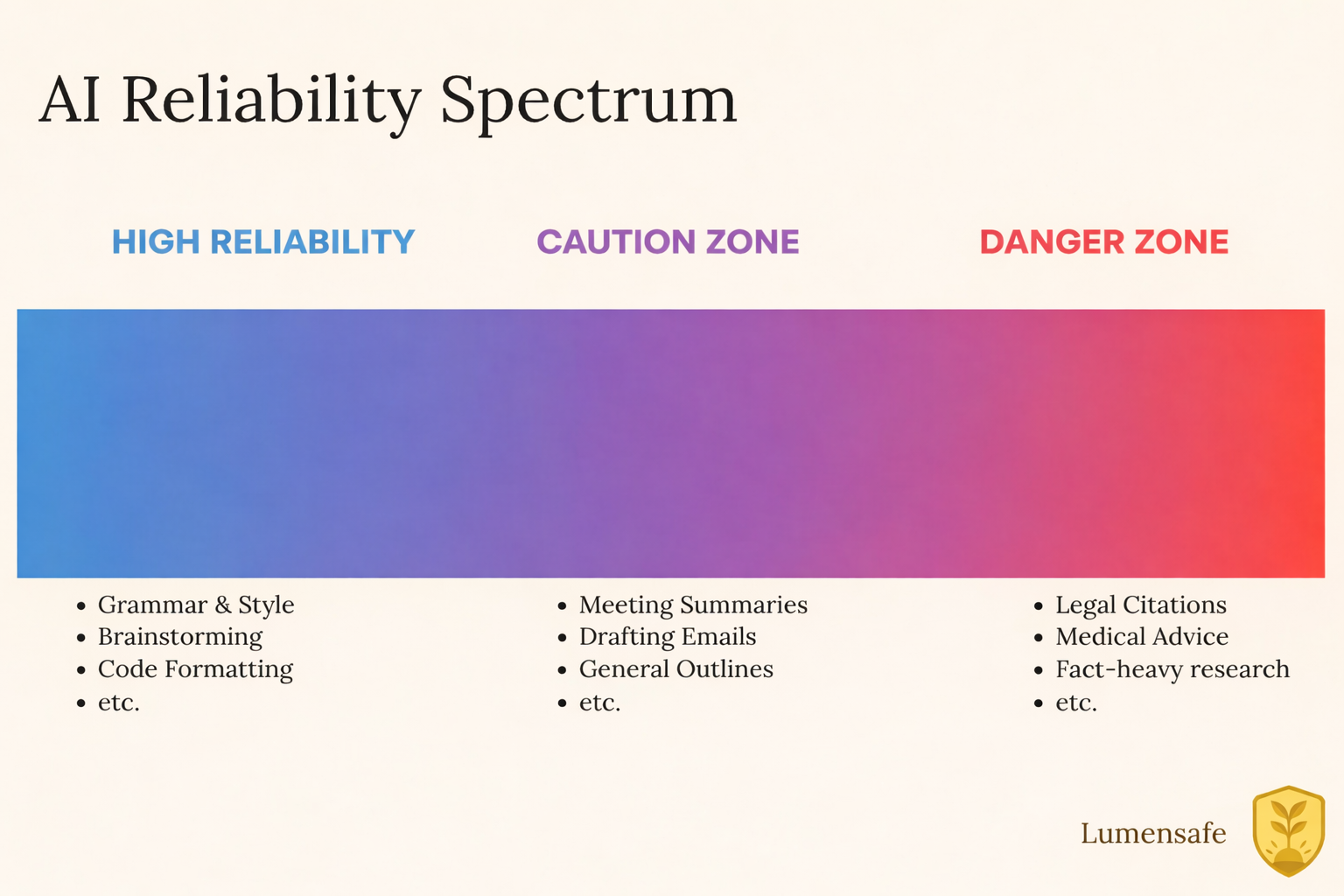
At Lumensafe, I teach teams to treat AI as a high-speed drafting partner, not a final authority. It is an incredible tool for overcoming a blank page, but it lacks the one thing your business depends on: accountability. Think of AI output as a 'first draft' that always requires a human signature. Whether it is a client report, a project timeline, or a strategic recommendation, you must verify the core facts with a trusted source before they leave your desk. The AI provides the momentum, but you provide the accuracy.
How to safely work with AI: The Lumensafe Rule of Three
To keep your team agile and safe, never use AI output without these three checks:
Primary Source Check: Can you find this fact on an official website?
The Human Eye: Has a team member reviewed this for "common sense" errors?
Context Verification: Does this advice actually fit your specific internal security policies?
The goal is not to stop using these tools. They are far too useful to ignore. The goal is to keep our digital intuition sharp. We have to remember that while the AI provides the speed, the human provides the truth. We are the final line of defense.
I provide my full AI Verification Framework and staff training sessions as part of my services. Message me to see how we can tailor these habits to your team or book a free 15 minute call to get started!